
For thousands of years, traditional Chinese gongs have been crafted not merely as musical instruments, but as tools for transformation, ritual, and deep vibrational acoustic work. Today, as orchestral stages demand expansive dynamic ranges and the global wellness movement integrates acoustic therapy, two iconic instruments stand at the forefront: the Wind Gong (Feng Gong) and the Chao Gong (Bao Gong).
Understanding the subtle acoustic mechanics, frequency distributions, and physical characteristics between these two handcrafted masterpieces is essential for sound therapists, orchestral percussionists, and meditation practitioners alike. This guide breaks down the physical forging techniques, sonic profiles, and practical applications of Wind and Chao gongs to help you discover the perfect vibrational instrument for your practice.
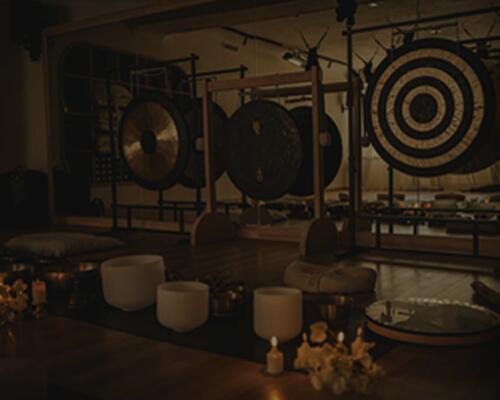
The Sacred Craft of Chinese Gong Making
At the heart of authentic Chinese gong making is the ancient art of hand-hammering B20 bronze (80% copper and 20% tin). Unlike simple sheet metal brass instruments, B20 bronze undergoes intense heating, rolling, and precision forging cycles to create an alloy structure capable of holding immense acoustic energy.
+-----------------------------------------------------------------------+
|                    THE ARTISAN GONG FORGING PROCESS                   |
+-----------------------------------------------------------------------+
|  RAW B20 INGOT  -->  HIGH-HEAT ROLLING  -->  HAND HAMMERING & SHAPING  |
|                                                      |                |
|  FINAL TUNING & MATCHING  <--  PRECISION LATHING  <--+                |
+-----------------------------------------------------------------------+
Hand-Hammering Techniques for Harmonic Overtones
Master gong artisans use specialized hand-hammering patterns across the face of the gong. Each hammer strike compresses the metal, creating varying tension zones that scatter sound waves in complex patterns. This intricate work produces rich harmonic overtones—a shimmering web of multiple frequencies radiating simultaneously from a single strike.
Raw Lathed Rims and Sound Waves
The fundamental physical difference between a Wind Gong and a Chao Gong lies in the lathe work and rim geometry:
- Flat, Fully Lathed Discs (Wind Gong): Sound waves travel unimpeded straight to the outer edge, causing the entire disc to vibrate rapidly and release sound in a wide splash.
- Turned Rims & Black Oxide Rings (Chao Gong): Turned-back edges act as a structural frame, trapping sound waves inside the central dish. This concentrates the acoustic energy into a deep, centered fundamental tone with extended cymbal sustain and controlled vibration.
The Wind Gong (Feng Gong): Shimmering Waves of Sound
The Wind Gong, traditionally known as Feng Gong, is a completely flat, thin bronze disc lathed on both sides to expose the brilliant golden metal beneath.
+-----------------------------------------------------------------------+
|                         WIND GONG PROFILE                             |
+-----------------------------------+-----------------------------------+
| PHYSICAL STRUCTURE                | ACOUSTIC BEHAVIOR                 |
| - Completely flat B20 disc        | - Instant, explosive response     |
| - Fully lathed golden surface     | - Shimmering high-frequency wash  |
| - No turned-back outer rim        | - Fast, wide spatial dispersion   |
+-----------------------------------+-----------------------------------+
Acoustic Profile and Fast Trashy Wash
When struck with a soft mallet, the Wind Gong responds immediately. Because there is no outer rim to contain the sound, the energy spreads outward in an explosive wave of high-frequency shimmer. At higher dynamic levels, it opens up into a roaring, washing crescendo—often described as a trashy, sizzling burst of pure atmospheric sound.
Ideal Applications in Meditation and Sound Baths
In sound healing and frequency meditation, the Wind Gong serves as a powerful tool for energetic release and mental stimulation:
- Energy Clearing: The high-frequency overtones effectively break up static ambient noise and focus scattered thoughts.
- Sound Baths: Sound practitioners use lighter strikes on Wind Gongs to create an evolving background texture that mimics rushing water, wind, or cosmic ambient hums.
- Dramatic Orchestral Accents: Percussionists rely on Wind Gongs for rapid crescendo crashes that build tension instantly.
The Chao Gong (Bao Gong): Grounded Bass & Focused Resonance
The Chao Gong, or Bao Gong, is the iconic traditional Chinese gong featuring a turned-back outer rim and a distinct black-and-gold face. The outer edge and central bullseye retain dark black copper oxide, while a wide ring between them is lathed bare.
+-----------------------------------------------------------------------+
|                         CHAO GONG PROFILE                             |
+-----------------------------------+-----------------------------------+
| PHYSICAL STRUCTURE                | ACOUSTIC BEHAVIOR                 |
| - Thick centre with turned-back rim| - Deep, grounded fundamental bass  |
| - Concentric black oxide rings    | - Long, smooth sustain            |
| - Lathed middle tone ring         | - Warm, meditative resonance      |
+-----------------------------------+-----------------------------------+
Deep Fundamental Tones and Rimmed Resonance
The turned-back rim of the Chao Gong alters its physics completely. By bending the edge, the artisan locks in low-frequency fundamental notes. When struck gently near the center, the Chao Gong produces a warm, low pitch that resonates deep in the chest before slowly blooming into harmonious upper frequencies.
Orchestral Dynamics and Therapeutic Use
The grounded stability of the Chao Gong makes it a staple in both therapeutic and symphonic environments:
- Frequency Healing: The deep fundamental vibrations emitted by large Chao Gongs resonate at lower Hz ranges, helping clients sink into deep states of relaxation during sound meditation.
- Centering and Grounding: While the Wind Gong uplifts and disperses, the Chao Gong grounds and anchors the listener, bringing a calm sense of balance.
- Orchestral Depth: In symphonic music, a large Chao Gong provides an authoritative fundamental bass impact that underpins the entire brass and percussion section.
Arborea Master Artisan Gongs: Handcrafted Excellence
At Arborea Cymbal, our gong smiths preserve centuries of Chinese metalworking heritage. Every Wind and Chao Gong is individually cast, hammered, and tuned by hand to ensure precise acoustic balance and exceptional resonant depth.
Whether you are building a professional sound healing practice or outfitting a concert hall, Arborea master gongs deliver:
- Pure B20 Bronze Alloy: Superior metal composition yielding rich, therapeutic overtone spectrums and long natural decay.
- Artisanal Tuning: Hand-hammered density control that guarantees balanced pitch response under subtle mallet technique.
- Aesthetic and Acoustic Elegance: Traditional black oxide finishing and precision lathe work designed for stunning visual stage presence and pure resonance.
Experience the Healing Vibrations
Elevate your acoustic journey with handcrafted instruments forged for profound resonance, emotional depth, and total sound immersion.
- Explore our full range of B20 handmade cymbals and artisan gongs: https://arboreacymbal.com/product-category/gong/
- Hear the sound samples on our website to compare the acoustic signatures of our Wind and Chao series: https://arboreacymbal.com/contact/
- Are you a sound healing center, orchestra buyer, or instrument dealer? Contact us for wholesale pricing and custom gong orders: https://arboreacymbal.com/dealers/